The Ration
FLASH FICTION. 610 WORDS
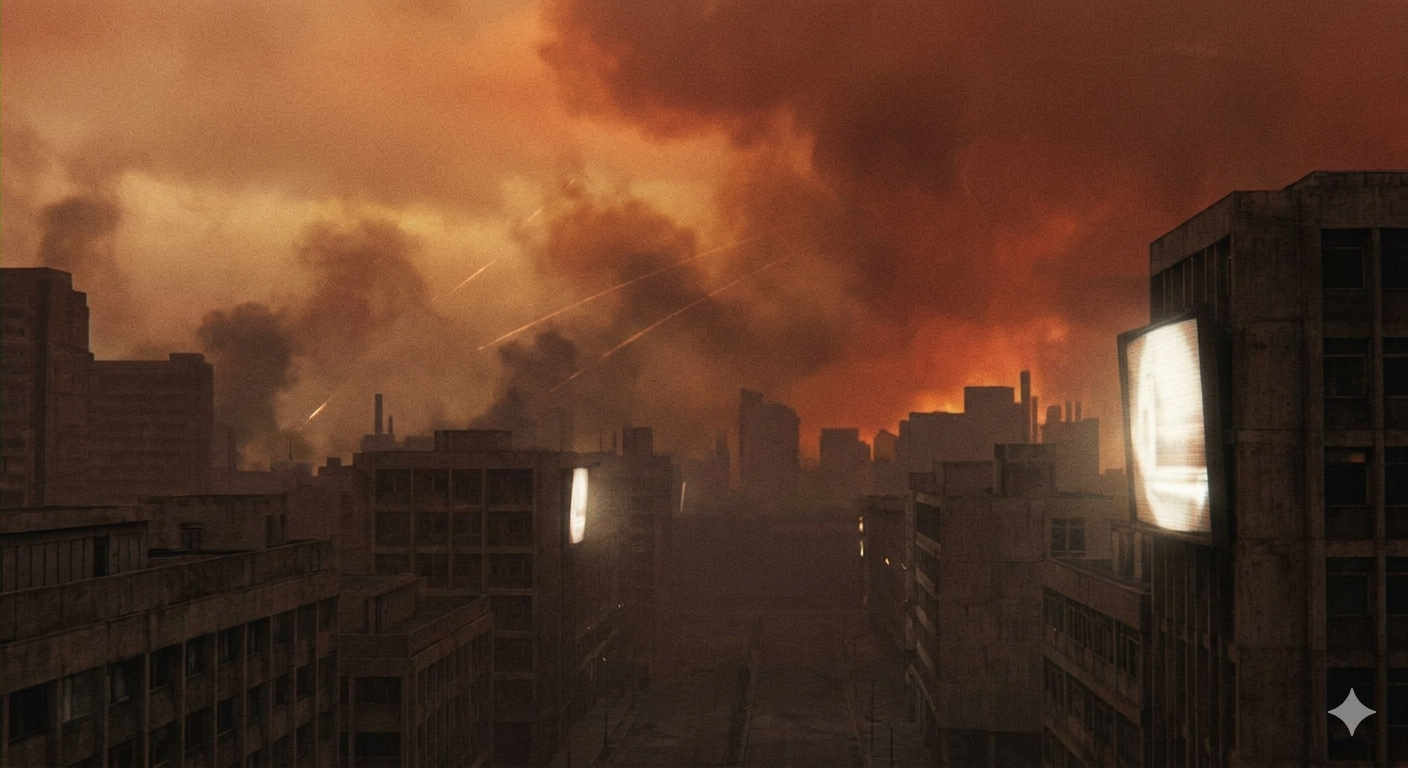
The war had been going nineteen years or twenty-two or some number that the telescreens no longer specified. The Middle East had become a word for something vague and burning and far away, the way hell was a word, and the grievances of the war were old enough that no one alive could remember a time before them. The oil had slowed to a trickle and then the trickle had slowed to a rumor and now there was only the rumor.
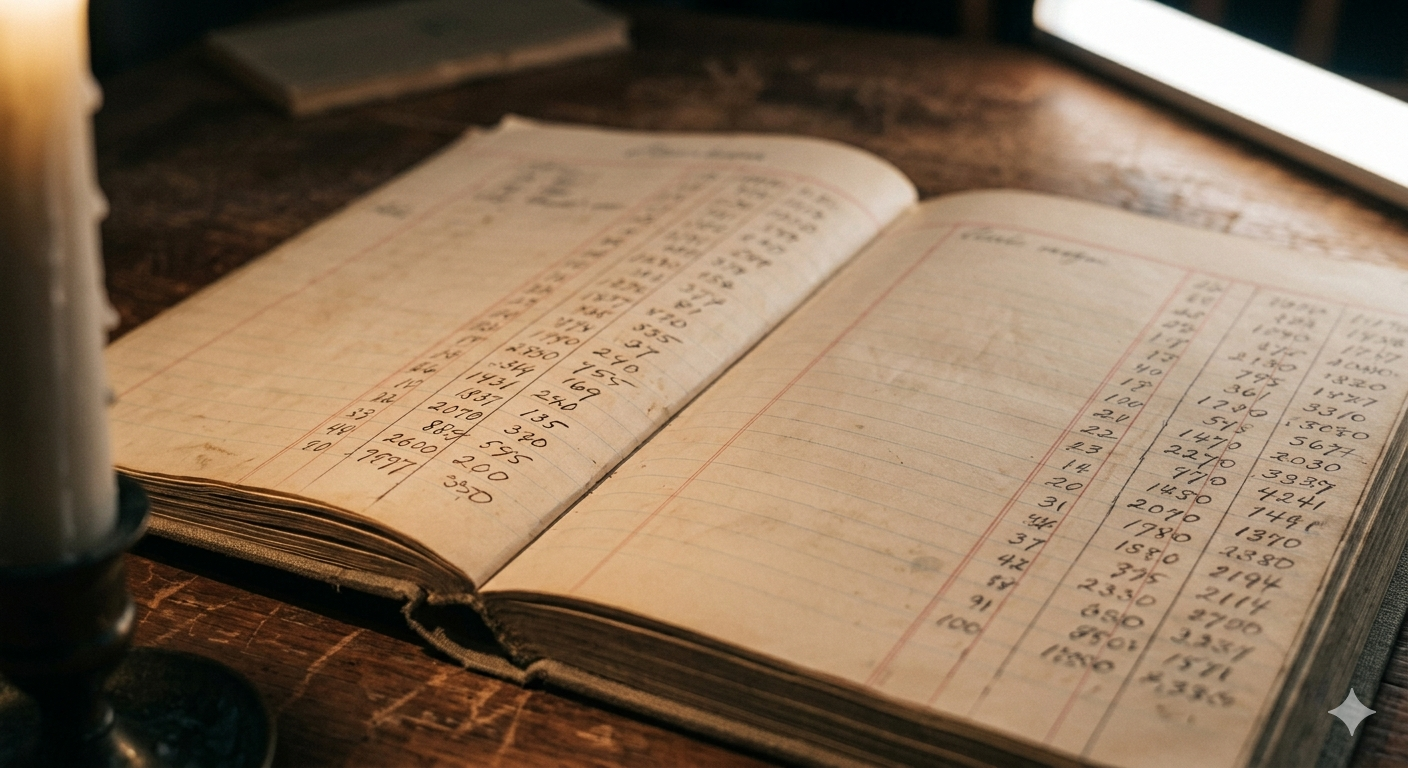
Winston kept the candle to one side of his ledger and worked by its weak light. The candle was a stub, the last of three he'd rationed from the month's allotment. He did not think about the candle. He thought about the numbers.
His job had changed. This surprised him. He had expected more erasure, more falsification, more of the old work where the past was fed into the memory hole and a cleaner past extruded on the other side. Instead they'd made him an allocator. The word was not used. His title remained what it had always been. But the work was different now.
·
The Ministry of Plenty had discovered something it could not quite say aloud: that shortage, properly managed, was its own form of production. A man given less would find something. This was not ideology. It was engineering.
Winston's ledger tracked the wards of Airstrip One by consumption. He had learned which blocks could lose a quarter of their heating allocation without a rise in the defection rate. He had learned that the canteen could halve the fat content in the Victory Stew if the pepper ration was doubled, because people tasted pepper. He had learned that a man who believed he was solving a problem did not notice he was cold.
He was solving a problem. He noticed this with the small and separate part of his mind that still watched himself from a distance.
The numbers were not false. This was the new refinement. The old ministry had lied about abundance. This ministry told the truth about scarcity and then asked what could be done with it. Winston was good at what could be done with it. He did not know when he had become good at it.
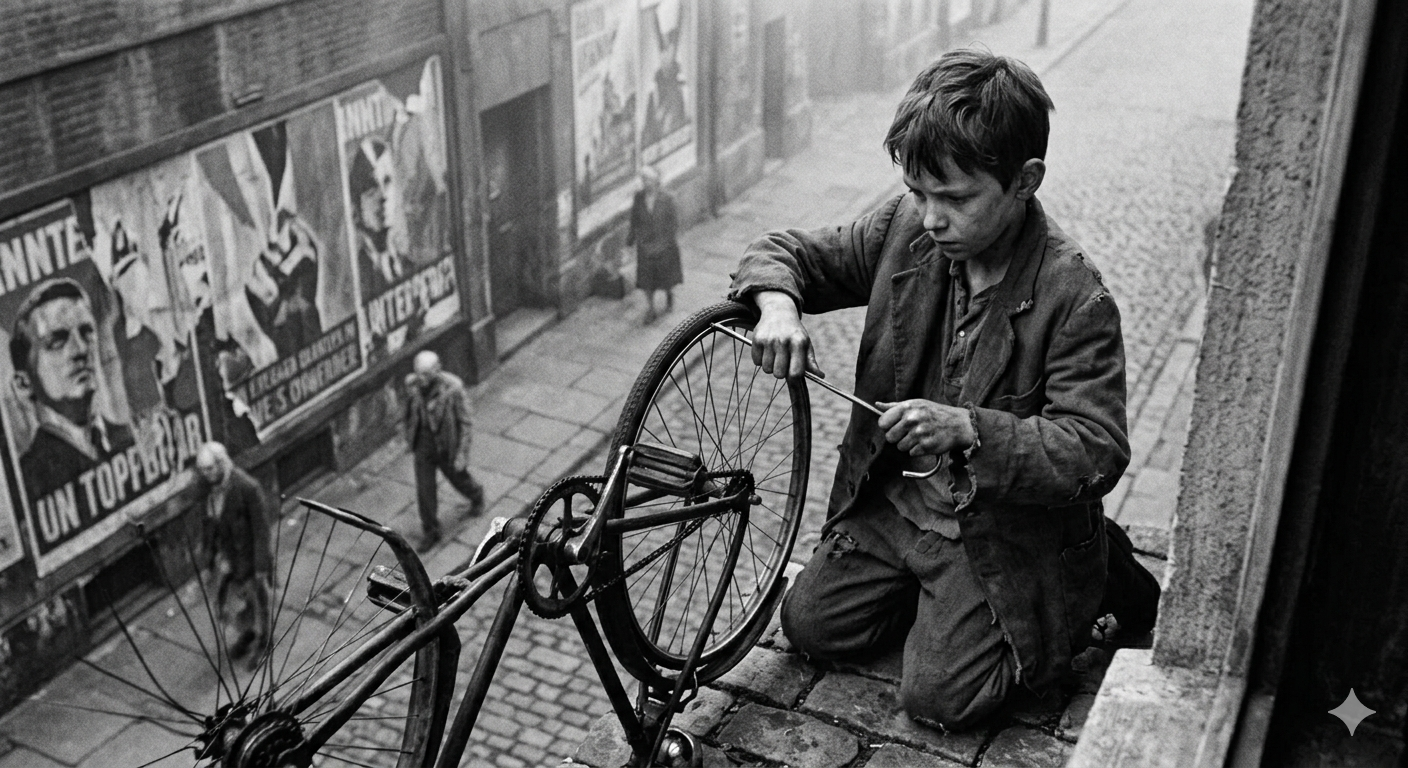
On the street below his window a boy was repairing a bicycle with a spoke from a different bicycle. Winston watched him a moment. The boy worked with a kind of animal focus, his hands certain, the solution obvious to him in a way it would not have been obvious before there were no bicycle shops. The new necessity. The old ingenuity returned from wherever ingenuity hides when things are plentiful.
Winston turned back to his ledger.
He had found four hundred calories in the bread distribution chain that could be rerouted without anyone going hungry, only differently hungry. He had found a way to extend the life of the typewriter ribbons by teaching the clerks to type lighter. He had found, and this had taken months, that morale in the outer wards held steadier when the shortage felt shared rather than imposed. Small theater. Effective.
The candle guttered. He tilted the ledger toward what light remained.
Outside the war continued its long work. It consumed what it consumed and returned nothing, which had always been its purpose, and everyone had always known this, and still the numbers had to balance somewhere, and Winston balanced them, and in the balancing found something he could not name, some dry satisfaction, the way a stone wall is satisfying when it stands without mortar.
He did not think about Julia. He thought about the numbers.
The candle went out. He kept writing in the dark.
END